
Why we’re calling for reform of the child maintenance system
A rise in complaints, appeals and issues with payments shows change is needed now
Read our report here
Every day, our advisers speak to parents who are doing everything they can to provide stability and security for their children after separation. But too often, the system designed to help – the Child Maintenance Service (CMS) – is falling short.
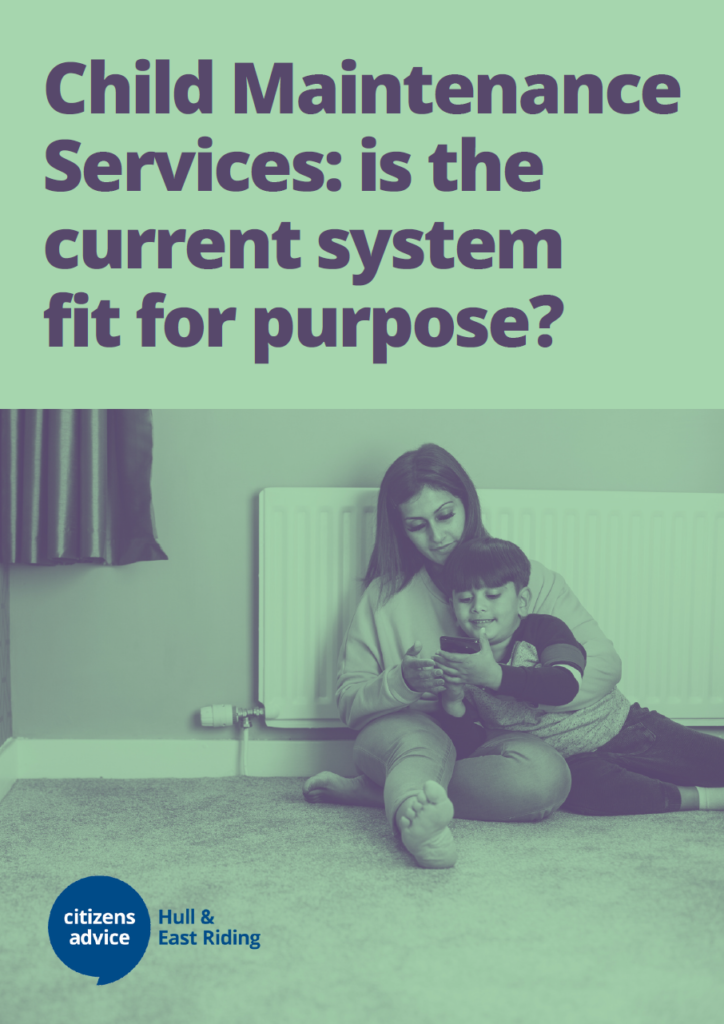
Today we’re publishing new research that shines a light on the challenges parents face when trying to secure the financial support their children are entitled to, and sets out clear recommendations for change.
What we’re seeing
Child maintenance payments are a lifeline for many households. But in the past year alone, the picture has become even more concerning. We’ve seen:
- A 45% increase in complaints about CMS calculations.
- A 39% rise in parents – both paying and receiving – challenging or appealing their calculations.
- And a 22% increase in issues relating to CMS payments, including collection delays and failures.
Behind each of these figures is a family struggling to secure the support their child needs. These aren’t isolated cases – they reflect growing, systemic problems in how the CMS operates.
Delays, confusion and administrative barriers
Parents describe a system that is slow, difficult to navigate, and prone to errors. Many spend months waiting for assessments or updates, leaving them without essential income.
Weak and inconsistent enforcement
Even when arrears build up, action is not always taken quickly or effectively. Families who should be receiving regular support often end up repeatedly chasing payments.
Added pressure on single-parent households
With living costs still high, gaps in child maintenance can push families into debt or crisis support. For many, the difference between receiving maintenance and not can mean the difference between coping and hardship.
Government reforms – and the gaps that remain
The Government has recognised some of these challenges and, in 2025, announced reforms following the consultation Child Maintenance: Improving the Collection and Transfer of Payments. These proposals aim to simplify the system, improve compliance, and reduce unfair costs – steps that could make a real difference.
However, significant gaps remain. And crucially:
- These changes require legislation.
- They won’t be implemented until 2027 or 2028 at the earliest, depending on Parliamentary time.
- Meanwhile, families continue to face the same barriers the reforms aim to fix.
The need for action is therefore immediate. Children shouldn’t have to wait years for the system to catch up.
Our recommendations for change
Our research sets out a series of practical, achievable reforms that could make the CMS work more effectively for separated families:
- Faster and clearer processes, so parents aren’t left waiting for decisions or chasing updates.
- Stronger, more consistent enforcement, ensuring arrears are taken seriously and action is timely.
- Better communication and support, helping both parents understand their rights and responsibilities.
- A simpler system with fewer administrative hurdles – so children receive the support they’re entitled to without delay.
What happens next
We’ll be sharing this research with MPs, policymakers and partners across the sector. Our aim is to push for reforms that prioritise children’s wellbeing and financial security.
Most importantly, we will continue listening to the parents who come to us for help. Their experiences must remain at the heart of any changes.
You can read the full research paper and our detailed recommendations here or embedded below.